
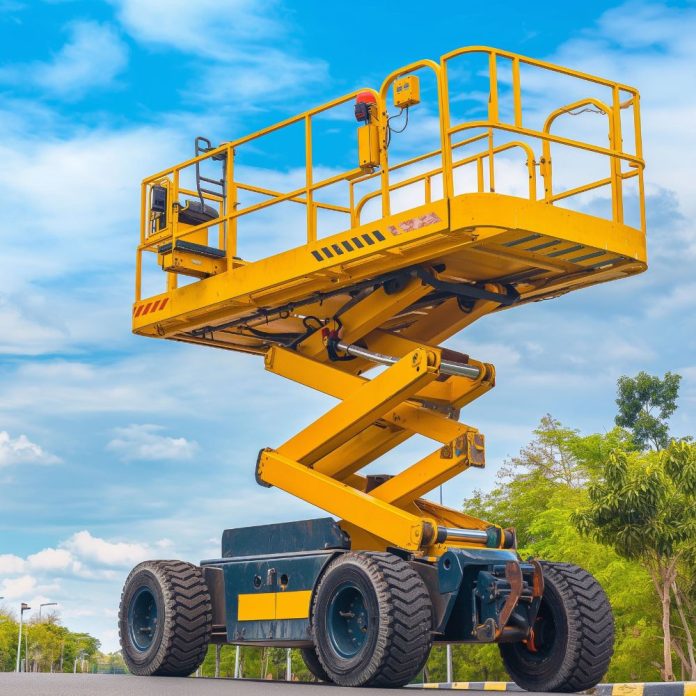
As industrial operations grow increasingly complex, the demand for efficient, safe, and versatile material-handling equipment has never been higher. Industrial lifting platforms are essential tools for warehouses, factories, and construction sites. With numerous models, capacities, and technologies available, selecting the right 升降台 can be challenging.
This buyer’s guide provides a comprehensive overview to help businesses make informed decisions in 2025.
1. Understand Your Operational Needs
Before purchasing a lifting platform, assess your operational requirements:
- Maximum load capacity
- Lifting height and reach
- Workspace dimensions
- Frequency of use
Understanding your facility’s needs ensures you select a platform that delivers optimal performance without unnecessary costs.
2. Choose the Right Type
Lifting platforms come in various types, each suited for different tasks:
- Hydraulic lifting platforms: Heavy-duty, high-capacity, ideal for industrial and construction sites
- Electric lifting platforms: Quiet, energy-efficient, and ideal for indoor environments
- Mobile lifting platforms: Flexible, easily moved between workstations
- Scissor lifts: Provide stable vertical movement for personnel and goods
Selecting the appropriate type ensures efficiency, safety, and adaptability.
3. Evaluate Load Capacity and Platform Size
Exceeding load limits can damage equipment and pose safety hazards. Match the 升降台’s rated capacity with your heaviest materials, leaving a safety margin. Platform size should also accommodate your materials comfortably, avoiding instability during operation.
4. Consider Mobility and Installation
Stationary platforms are ideal for fixed production areas, while mobile platforms are perfect for facilities with changing workflows. Consider whether you need a fixed or portable model to ensure it integrates seamlessly into your facility’s layout.
5. Examine Power Sources and Efficiency
Industrial lifting platforms can be powered by electricity, hydraulics, or manual mechanisms. Electric models are energy-efficient and environmentally friendly, while hydraulic units excel in heavy-load and continuous-use scenarios. Evaluate operational costs and energy efficiency before making a purchase.
6. Prioritize Safety Features
Safety should never be compromised. Look for platforms equipped with:
- Anti-slip decks
- Guardrails and safety gates
- Emergency stop buttons
- Overload protection
- Stable locking mechanisms
These features protect operators and maintain compliance with workplace safety regulations.
7. Assess Durability and Warranty
High-quality construction materials, robust hydraulics, and reliable electrical systems determine the lifespan of a lifting platform. Check manufacturer warranties and service agreements to ensure long-term support and minimal downtime.
8. Factor in Maintenance Requirements
A platform that is easy to maintain reduces operational disruption. Consider the availability of replacement parts, ease of inspection, and manufacturer-recommended servicing schedules. Well-maintained 升降台 ensures consistent performance and reliability.
9. Compare Brands and Reviews
Reputation matters. Research brands with proven track records and positive user feedback. Established manufacturers often provide better quality assurance, training, and after-sales support.
Conclusion
Choosing the right industrial lifting platform is critical for safety, efficiency, and operational growth in 2025. By evaluating load requirements, type, mobility, power source, safety features, and maintenance considerations, businesses can invest in a 升降台 that meets current needs and adapts to future demands. Making an informed choice ensures long-term value, improved productivity, and a safer working environment.