
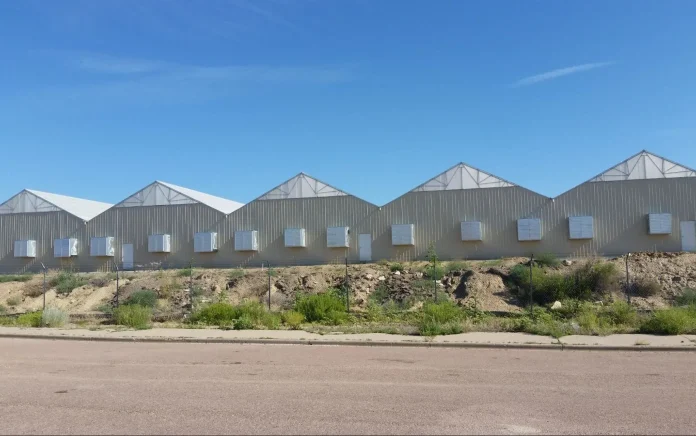
Commercial growers in Ohio operate in a demanding structural environment: humid shoulder seasons, freeze–thaw cycles, and winter events that can combine wind, drifting snow, and prolonged roof loading. For greenhouse owners, the building is not simply an enclosure; it is an engineered production asset where structural reliability, light performance, and serviceability directly influence uptime, crop consistency, and total cost of ownership.
Harnois positions itself as a commercial greenhouse manufacturer that goes beyond fabrication by integrating engineering, permitting support, installation, and after-sales service into a single delivery model. This “start-to-finish” approach includes technical planning, permit assistance, on-site installation, and preventative maintenance, managed through a single point of contact.
Why Ohio greenhouse projects benefit from site-specific structural design
Ohio projects are typically permitted under the state’s building code framework. Ohio’s 2024 building code rules took effect on March 1, 2024, and the code is based on the 2021 International Building Code (with Ohio amendments). Structurally, that matters because IBC-based compliance ties wind and snow design back to recognized consensus standards, most notably ASCE 7, which defines how designers determine minimum design loads for buildings (including wind and snow) and the required load combinations.
For wind loading, the 2024 Ohio Building Code’s wind design section explicitly references ASCE 7 for determining the basic design wind speed in non-hurricane-prone regions. In practice, that means your greenhouse structure must be engineered for the correct wind speed parameters, exposure category, and enclosure classification—especially important for greenhouses where large doors, vents, or partially open end walls can materially change internal pressure and net uplift demands.
For snow loading, Ohio can present meaningful variability—particularly near the Lake Erie snowbelt—so “generic” kit assumptions can create risk. A robust greenhouse design process accounts for ground snow loads, roof shape factors, thermal effects (heated vs. unheated), drift at roof steps/end walls, and how snow may accumulate around obstructions. ASCE 7 provides the governing methodology for these calculations.
What “engineered greenhouse” should include (and what Harnois highlights)
Harnois states that its process includes engineers-stamped plans and custom load calculations as part of its design approach. For an Ohio greenhouse owner, that is a critical differentiator: it indicates the structure is not simply sized from a catalog, but checked against the project’s code basis and site conditions.
On the product side, Harnois emphasizes performance features intended to support durability and production outcomes, including:
- Snow and wind resistance engineered for your region
- High-performance membranes (including anti-condensation and diffusive options)
- Gothic arch and oval tube design to support light penetration and drainage behavior
- A broad accessory ecosystem (shade systems, doors, ventilation, and related components)
From an engineering standpoint, these points map to tangible greenhouse outcomes in Ohio:
- Load-path integrity: Frame geometry and member selection are only half the story; connection detailing, bracing strategy, and anchorage/foundation interface determine how wind and snow loads are transferred safely to the ground.
- Serviceability controls: Deflection limits, racking resistance, and connection stiffness matter because greenhouses are envelope-sensitive structures. Excessive movement can increase wear on membranes, glazing interfaces, vents, and door systems over time.
- Moisture management as a structural and operational issue: Anti-condensation membrane options and ventilation planning reduce dripping and humidity spikes—important in Ohio’s shoulder seasons where temperature swings can drive condensation cycles.
Installation and service: protecting the design intent over the building’s life
Engineering does not stop at drawings. Harnois frames its value proposition around continuity from design through installation and maintenance, including on-site installation by a specialized team or trained partners, plus after-sales service and preventative maintenance. In real greenhouse operations, this reduces two common failure modes:
- Scope gaps between design and field conditions (foundation readiness, anchorage assumptions, vent/door integration).
- Performance drift over time (membrane aging, hardware wear, retrofit needs as production evolves).
For Ohio growers scaling acreage or upgrading to more controlled production, this integrated model can be decisive: it concentrates accountability and preserves the original structural and environmental performance targets across the lifecycle.
Recommended next step for Ohio growers
If you are planning a new build or expansion in Ohio, prioritize suppliers who can demonstrate: (1) code-aligned engineering under the current Ohio code environment, (2) stamped plans with site-specific wind and snow calculations per ASCE 7, and (3) an installation-and-service capability that supports uptime after commissioning.