
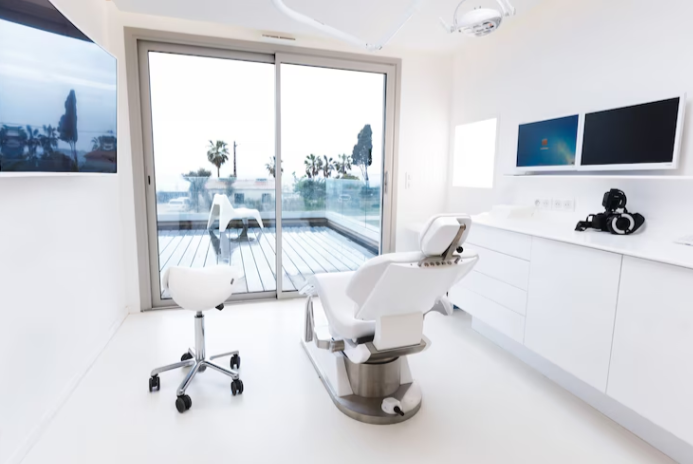
Building Your Practice: Factors to Consider When Looking for Dental Office Building Construction Services
A modern dental practice is more than just a place of business; it’s a specialized healthcare environment designed for precision, patient comfort, and operational efficiency. The success of a dental office relies heavily on its functional layout, state-of-the-art technology, and a calming atmosphere.
Consequently, constructing or renovating such a facility requires a contractor with specific expertise that goes far beyond general commercial building.
When seeking dental office building construction services, a careful evaluation of several critical factors will ensure your vision translates into a highly effective and successful practice.
Specialized Experience in Healthcare Facilities
The most crucial factor is the contractor’s direct experience in healthcare construction, specifically dental construction.
Building a dental office involves unique considerations not found in typical commercial projects, such as precise plumbing for dental chairs, specialized electrical wiring for imaging equipment, and specific ventilation requirements for sterile environments.
A contractor experienced in this niche understands the nuances of medical gas lines, radiography shielding, and infection control standards, ensuring that your office is built to meet the specific demands of a dental practice.
Understanding of Dental Workflow and Patient Flow
An efficient dental office layout directly impacts productivity and patient experience. The ideal contractor will demonstrate a deep understanding of dental workflow, from patient reception and waiting areas to treatment rooms, sterilization areas, and administrative spaces.
They should be able to optimize the design for smooth patient flow, efficient movement of staff, and logical placement of equipment.
This ensures that the physical space supports your operational model, minimizes bottlenecks, and enhances both patient comfort and staff productivity.
Adherence to Regulatory Compliance and Infection Control
Dental offices are subject to stringent health and safety regulations, including those related to infection control, accessibility (e.g., ADA standards), and waste disposal.
Your chosen dental construction service must be intimately familiar with all relevant local and national building codes, healthcare regulations, and specific dental practice guidelines.
Their expertise will ensure that every aspect of the construction, from materials used to ventilation systems and sterilization areas, complies with these critical standards, protecting both your patients and your practice.
Integration of Advanced Dental Technology
Modern dentistry relies heavily on advanced technology, from digital X-ray systems and intraoral scanners to CAD/CAM machines and specialized laser equipment. The construction of your office must seamlessly accommodate this technology.
This includes precise planning for electrical loads, plumbing access, data networking, and potentially even specialized shielding for radiation-emitting devices.
A skilled dental construction contractor will collaborate with your equipment providers to ensure that all necessary infrastructure is integrated precisely during the build phase, avoiding costly retrofits later.
Timeline Management and Minimizing Operational Disruption
Time is money, especially when building a new practice or renovating an existing one. Prolonged construction periods can lead to lost revenue and increased expenses. Look for a contractor with a proven track record of efficient project management and timely completion in dental office builds.
They should provide a realistic timeline, manage subcontractors effectively, and communicate progress transparently. Their ability to deliver on schedule means you can begin accepting patients sooner, minimizing the financial impact of the construction phase.
Leave a Reply