
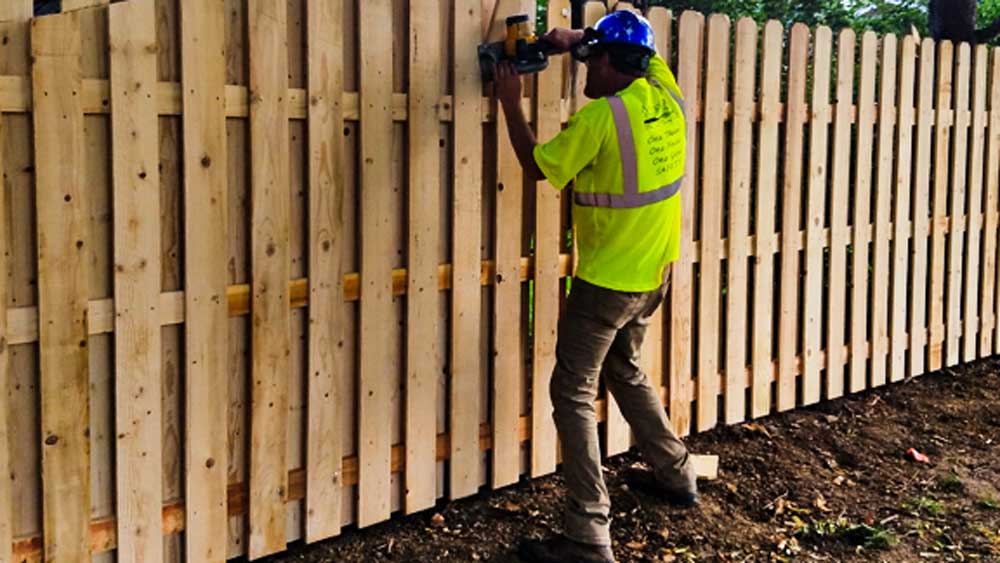
Do You Need a Permit for Fence Installation in Philadelphia?
Installing a new fence can improve privacy, security, curb appeal, and the usability of your outdoor space. However, before starting a fence installation project in Philadelphia, PA, homeowners should understand the city’s zoning and building permit requirements.
Yes, some fence installations in Philadelphia require a permit, but not every fence needs one. Requirements depend on fence height, material, location on the property, zoning classification, and whether the property is historically designated or located in a floodplain. The City of Philadelphia’s Department of Licenses and Inspections (L&I) provides guidance to help property owners determine which approvals are necessary.
For many standard residential fences made from wood, vinyl, or metal, a permit may not be required when the fence meets the city’s applicable zoning limits. Taller fences, masonry fences, street-facing installations, and projects involving special property restrictions may require zoning approval, a building permit, or both.
This guide explains Philadelphia fence permit requirements, typical height restrictions, application steps, costs, and the factors homeowners should check before scheduling professional fence installation.
Key Highlights
- Fence permits depend on the project: Height, material, location, zoning, and property-specific restrictions all matter.
- Standard fences may qualify for an exemption: Certain non-masonry fences up to four or six feet high may not require a permit when they comply with applicable zoning rules.
- Taller fences often require permits: Non-masonry fences exceeding six feet generally require zoning and building permits.
- Masonry fences have different requirements: Concrete and stone fences can trigger permit requirements at lower heights.
- Historic properties need additional approval: Philadelphia Historical Commission approval is required before applying for the relevant L&I permit for fencing on designated historic properties.
- Check the property before installation: Verify zoning, property boundaries, street-facing restrictions, and any applicable floodplain or right-of-way requirements.
Always confirm the requirements for your specific property with the City of Philadelphia before construction begins.
1. Do You Need a Permit to Install a Fence in Philadelphia?
Philadelphia does not require a permit for every residential fence. Instead, the city determines permit requirements according to the fence’s dimensions, construction material, location, and compliance with the Philadelphia Zoning Code.
For example, a homeowner installing a conventional four-foot wood fence in a permitted location may not need a zoning or building permit. However, a taller privacy fence, a masonry wall, or a fence positioned directly along a street may require additional approvals.
The city generally distinguishes between two types of permits:
- Zoning permit: Confirms that the proposed fence complies with applicable zoning requirements, including height, placement, and other development restrictions.
- Building permit: Addresses applicable construction requirements for the proposed fence or structure.
Some projects require only one type of permit, while others require both. A permit exemption also does not mean that every fence design or location is automatically allowed.
Before purchasing materials or scheduling installation, review the city’s official fence permit requirements.
2. Philadelphia Fence Permit Requirements by Height and Material
One of the most important factors in determining whether a fence permit is required is the combination of fence height, material, and placement on the property.
The following table summarizes the city’s published permit guidance for common fence types.
Non-masonry fences: Wood, vinyl, and metal
| Fence location | Height | General permit guidance |
| Front yard | Up to 4 feet | No permit generally required if zoning limits are met |
| Front yard | Over 4 feet up to 6 feet | Zoning permit generally required |
| Side or rear yard | Up to 6 feet | No permit generally required if zoning limits are met |
| Front, side, or rear yard | Over 6 feet | Zoning and building permits generally required |
Important: A front-yard fence that is more than 50% opaque may require a zoning permit even when it is four feet tall or shorter. A fence’s placement relative to the building and required front setback also affects what is allowed.
Masonry fences: Concrete and stone
| Fence location | Height | General permit guidance |
| Front yard | Up to 2 feet | Zoning permit generally required |
| Front yard | Over 2 feet | Zoning and building permits generally required |
| Side or rear yard | Up to 2 feet | No permit generally required |
| Side or rear yard | Over 2 feet up to 6 feet | Building permit generally required |
| Front, side, or rear yard | Over 6 feet | Zoning and building permits generally required |
These categories reflect the city’s published permit guidance. Actual requirements can vary with zoning classification, property conditions, and other applicable rules. Masonry fences are treated differently from typical wood, vinyl, and metal fences.
For the most accurate determination, use the city’s official fence permit guide rather than relying on height alone.
3. What Are the Fence Height Restrictions in Philadelphia?
Even when a fence does not require a permit, it must comply with the city’s applicable zoning rules. Understanding these restrictions is particularly important when planning a privacy fence, front-yard enclosure, or fence along a corner lot.
Front-yard fences
In residential districts, fences within the required front setback are generally limited to four feet in height and 50% opacity. Opacity refers to how much of the fence blocks visibility through it.
For example, an open picket fence may allow more visibility than a solid vinyl privacy fence of the same height. This distinction can affect whether the proposed design complies with zoning rules.
The exact location of the required setback and the building’s position on the lot matter when determining where these restrictions apply.
Side-yard and rear-yard fences
Residential zoning rules generally allow fences up to six feet high in qualifying side- and rear-yard areas. However, the permitted location matters. A portion of a side yard that falls within the required front setback may be subject to front-yard restrictions.
Homeowners should not assume that the entire side boundary can accommodate a six-foot privacy fence without checking the property’s zoning requirements.
Corner lots and visibility restrictions
Corner properties can have additional limitations because fences may affect visibility for drivers, pedestrians, and people entering or leaving a driveway.
Philadelphia’s rules include restrictions for certain sight-triangle areas and locations near intersections or shared driveways. A fence that meets the usual height limit may still be restricted in these areas.
Practical tip: Before finalizing a fence design, confirm the permitted height and opacity for each section of the property. This is especially important if the proposed fence runs along a street, surrounds a corner lot, or extends toward the front of the house.
4. Do You Need a Permit to Replace an Existing Fence?
Replacing an old fence can seem simpler than installing a completely new one, but the answer depends on the scope of work.
If you are replacing damaged panels with similar materials while keeping the fence within its existing permitted dimensions and location, the project may be straightforward. However, changing the fence’s height, material, opacity, placement, or structural design can trigger additional review.
For example:
- Replacing a damaged four-foot wood fence with a similar fence may not require a permit if the existing arrangement complies with current requirements.
- Replacing an open fence with a solid privacy fence in a restricted front-yard area may require zoning approval.
- Increasing a six-foot fence to seven feet may require both zoning and building permits.
- Replacing a short masonry fence may trigger building permit requirements even when a comparable non-masonry fence would not.
An existing fence is not automatically compliant simply because it was installed years ago. Before making substantial changes, verify the applicable rules with L&I.
If your existing fence is damaged, leaning, or deteriorating, consider whether repair or replacement is the better long-term option while confirming which approvals your project requires.
5. Do Historic Properties in Philadelphia Require Special Fence Approval?
Yes. Fence projects on properties listed on the Philadelphia Historic Registry have additional requirements.
According to the city’s permit guidance, approval from the Philadelphia Historical Commission is required before submitting the applicable L&I permit application for fencing on a historic property. L&I may refuse the application if the required approval has not been obtained.
This is particularly important when choosing materials, fence styles, colors, and designs that affect a property’s historic character.
Before ordering a new fence for a historic property:
- Confirm whether the property is on the Philadelphia Historic Registry.
- Determine which approvals the proposed fence requires.
- Contact the Philadelphia Historical Commission regarding the applicable review process.
- Obtain the necessary approval before applying for the relevant L&I permit.
- Finalize installation plans only after confirming the required approvals.
A traditional-looking fence is not automatically exempt from historic review. Homeowners should verify the requirements even when the proposed design appears consistent with the surrounding neighborhood.
6. Do Fences in Philadelphia Floodplains or Along Streets Have Additional Requirements?
Some properties have restrictions beyond the standard fence height and material rules.
Properties in a floodplain
Philadelphia’s published guidance states that a building permit is always required for fencing on properties located in the 100-year floodplain. Applicable flood protection forms or other documentation may also be required.
If your property is in a designated flood hazard area, check with L&I before beginning work.
Fences along a street or public right-of-way
A fence positioned along a street must comply with applicable placement and zoning requirements. If the proposed fence partially encroaches into the public right-of-way, approval from the Philadelphia Streets Department and a Streets plan review may be necessary.
This is different from simply installing a fence near the edge of your private property.
Property boundaries and easements
Before digging post holes, verify the property boundaries and identify any applicable easements or underground utilities. A fence that extends beyond your property line or interferes with a utility easement can create costly problems, even if its height is otherwise compliant.
If the boundary is uncertain, consider obtaining a property survey before installation.
7. How Do You Apply for a Fence Permit in Philadelphia?
If your project requires a zoning permit, a building permit, or both, you can apply through the city’s Department of Licenses and Inspections.
The city accepts online applications through its eCLIPSE permitting system and provides an in-person application option at the Permit and License Center.
Step 1: Check your property’s zoning classification
Use the city’s Philadelphia Atlas to look up your property and identify its zoning information.
Review the applicable requirements for fence height, placement, opacity, and other restrictions before preparing your design.
Step 2: Determine which permits you need
Use the city’s fence permit guidance to determine whether the project requires zoning approval, a building permit, or both.
If your property is historic, lies within a floodplain, or involves a possible right-of-way encroachment, identify any additional approvals before submitting the application.
Step 3: Prepare your application documents
Depending on the project, the city may require:
- The property’s legal address and current owner information.
- A description of the proposed fence and the scope of work.
- A site or plot plan showing property lines and the fence location.
- Fence dimensions, heights, materials, and relevant details.
- Required pre-approvals and applicable flood protection documentation.
Projects that exceed standard zoning limitations may need more detailed, professionally prepared plans. The city provides specific fencing plan requirements.
Step 4: Submit the application and pay the applicable fees
Submit the required documents through eCLIPSE or follow the city’s in-person application procedure. Pay the filing and permit fees applicable to your property and project.
The city may request additional information or revisions before approving the application.
Step 5: Wait for approval before starting work
Do not assume that submitting an application means the fence is approved. Wait for the required permits and approvals before beginning regulated work.
If inspections are required, arrange them according to the instructions on the issued permit.
8. How Much Does a Fence Permit Cost in Philadelphia?
Permit costs depend on the property type and the approvals required. The city lists separate filing, zoning, and building permit fees.
The following are the published fee amounts in Philadelphia’s fence permit guidance:
| Fee type | Published amount |
| Filing fee for a one- or two-family dwelling | $25 |
| Filing fee for other sites | $100 |
| Zoning permit for a one- or two-family dwelling | $50 |
| Zoning permit for other sites of 30,000 square feet or less | $253 |
| Zoning permit for other sites over 30,000 square feet | $632 |
| Building permit for each fence | $139 |
| Flat building permit fee for a one- or two-family dwelling | $69 |
Additional charges, such as applicable surcharges or record-retention fees, may apply. Not every project requires both zoning and building permits, so the total depends on the approvals needed.
These figures are based on the city’s published guidance and should be verified before applying, as fees and procedures may change.
For the current fee schedule and application instructions, refer to the City of Philadelphia fence permit page.
9. How Long Does It Take to Get a Fence Permit?
The timeline depends on the type of application, the property’s conditions, the completeness of the submitted plans, and whether other departments must review the project.
Philadelphia’s published guidance lists the following review periods:
- One- or two-family residential properties: Approximately 15 business days.
- Other property uses: Approximately 20 business days.
- Eligible accelerated applications: Approximately five business days, subject to the city’s expedited review process and additional fees.
These are stated review periods, not guarantees of when every project will be approved. Additional time may be necessary for pre-approvals, missing documents, plan revisions, or other review requirements.
To help avoid delays, verify the permit requirements early, prepare complete documents, and obtain any necessary historic or Streets Department approvals before submitting the application.
10. What Happens If You Install a Fence Without a Required Permit?
Installing a fence without obtaining required approvals can create problems during construction or later property transactions.
Depending on the circumstances, potential consequences may include:
- Stop-work orders or enforcement action.
- Requirements to submit a permit application after installation.
- Changes to the fence to bring it into compliance.
- Removal or reconstruction if the fence cannot be approved as installed.
- Additional expenses and delays.
The precise consequences depend on the project and the applicable city requirements. A permit obtained after construction is not guaranteed to resolve every violation.
The best approach is to confirm requirements before purchasing materials or beginning installation. If an existing fence may have been installed without the required approvals, contact L&I to determine the appropriate next steps rather than assuming it can remain unchanged.
11. How Can You Plan a Compliant Fence Installation in Philadelphia?
A successful fence installation starts with more than choosing a style or comparing material prices. Homeowners should make sure the proposed design suits the property and meets the applicable local requirements.
Use this checklist before starting your project:
- Confirm the legal property boundaries.
- Check the property’s zoning classification.
- Determine whether the fence is in a front, side, or rear yard.
- Verify the permitted height and opacity for each fence section.
- Identify whether the proposed material is wood, vinyl, metal, masonry, or another type.
- Determine whether zoning or building permits are required.
- Check for historic-property, floodplain, easement, or right-of-way restrictions.
- Obtain any necessary approvals before construction.
- Confirm contractor qualifications and insurance where applicable.
- Keep copies of permits, approved plans, and inspection records.
A professional fence installer can help you evaluate material options, plan the installation, and coordinate project details. However, homeowners should still verify that the proposed work has the required approvals before construction begins.
Frequently Asked Questions About Philadelphia Fence Permits
Do I need a permit for a four-foot fence in Philadelphia?
Not always. A four-foot non-masonry fence may not require a permit when it meets the applicable zoning rules. However, front-yard opacity restrictions, historic designation, floodplain requirements, and other property-specific conditions can change the requirements.
Do I need a permit for a six-foot privacy fence in Philadelphia?
A six-foot non-masonry fence may not require a permit in a qualifying side- or rear-yard location. Front-yard placement, opacity, and other restrictions may require zoning approval. Confirm the proposed location and design with the city before installation.
Do vinyl fences require permits in Philadelphia?
Vinyl fences generally fall under the city’s non-masonry fence category. Whether a permit is required depends on the fence’s height, location, opacity, and compliance with zoning rules.
Do I need a building permit for a wood fence in Philadelphia?
A building permit is generally required for non-masonry fences exceeding six feet in height. Additional rules may apply to properties in the historic registry or 100-year floodplain, as well as projects with other special conditions.
Are permits required for fence replacement in Philadelphia?
Not for every replacement project. Replacing a fence with a similar compliant structure may not require a permit, but changes to height, location, material, or design can trigger additional requirements. Check the rules before starting work.
Where can I check my property’s fence permit requirements?
Start with the city’s official fence permit guidance and use Philadelphia Atlas to check your property’s information. Contact the Department of Licenses and Inspections if the requirements for your specific project are unclear.
Can my fence contractor apply for a permit on my behalf?
Yes. Philadelphia allows a property owner or an authorized agent, including a contractor, to apply for the relevant permit. Contractor licensing, insurance, and other requirements may apply depending on the property and scope of work.
Conclusion
Understanding Philadelphia’s fence permit requirements before starting construction can help homeowners avoid unnecessary expenses, approval delays, and compliance issues. The right approach is to verify your property’s zoning, confirm the fence’s permitted height and location, and obtain any required approvals before installation.
Whether you are planning a wood privacy fence, a low-maintenance vinyl fence, an aluminum enclosure, or a practical chain link fence, choosing the right design and planning the work carefully can make the project easier to manage.
SuperFenceCo can help homeowners plan their fence installation by evaluating suitable fence options, discussing project requirements, and coordinating installation details. If you are considering a new fence for your Philadelphia-area property, contact SuperFenceCo to discuss your project and determine the next steps toward a fence that suits your property, privacy needs, and design preferences.
Disclaimer: This guide is for general informational purposes and is not legal or permitting advice. Philadelphia’s requirements can vary by property and project. Always verify current rules, fees, and approvals with the relevant city departments before beginning work.
Leave a Reply