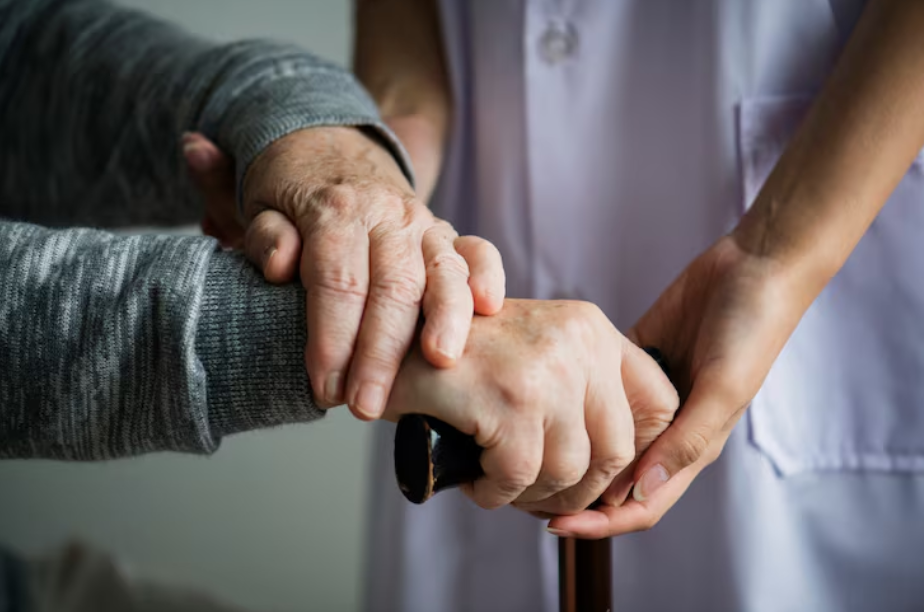
How Elderly Care Improves Quality of Life for Aging Loved Ones
As people grow older, they often face physical, emotional, and social changes that can affect their daily lives. Many aging individuals may struggle with health conditions, reduced mobility, or feelings of loneliness. In such situations, supportive services and compassionate attention become very important. This is where elderly care plays a meaningful role in improving comfort, safety, and overall well-being. Proper elderly care helps older adults live with dignity while maintaining a better quality of life in their later years.
Understanding Elderly Care and Its Importance
Elderly care refers to the support and assistance given to older adults who need help with daily living activities or health management. It can include help at home, medical supervision, or emotional companionship. The main goal of elderly care is to ensure that aging individuals feel safe, respected, and valued in their environment.
Good elderly care is not only about physical help but also about understanding the personal needs of older people. It allows them to continue living in a comfortable setting while receiving the attention they require. This kind of care reduces stress for both the elderly person and their family members, as it ensures that proper support is always available.
Emotional Support and Mental Well-being
One of the most important benefits of elderly care is emotional support. Many older adults experience loneliness, especially if they live away from family or have lost close friends or partners. Regular interaction with caregivers helps reduce feelings of isolation and sadness.
Elderly care also supports mental well-being by providing companionship and meaningful conversations. Caregivers often listen, talk, and spend quality time with seniors, which helps them feel valued and connected. This emotional connection can reduce anxiety and depression, leading to a more positive outlook on life. When older individuals feel emotionally secure, they are more likely to stay mentally active and engaged in daily activities.
Physical Health and Daily Assistance
As people age, simple tasks like cooking, cleaning, bathing, or taking medication can become difficult. Elderly care ensures that these daily needs are met safely and consistently. Caregivers assist with routine tasks while also monitoring health conditions to prevent complications.
This type of care helps seniors maintain better physical health by ensuring proper nutrition, hygiene, and medication management. It also reduces the risk of accidents such as falls or missed medications. With regular support, aging individuals can remain more active and independent, which contributes greatly to their overall quality of life.
Social Engagement and Independence
Elderly care also encourages social engagement, which is essential for a healthy and happy life. Caregivers often help seniors participate in social activities, hobbies, or community interactions. Staying socially active helps older adults maintain confidence and a sense of belonging.
At the same time, good elderly care respects independence. Instead of taking away control, it supports seniors in doing as much as they can on their own. This balance between assistance and independence helps them maintain self-respect and confidence, which are key factors in improving life satisfaction.
Conclusion
In conclusion, elderly care plays a vital role in enhancing the quality of life for aging loved ones. It provides emotional comfort, supports physical health, and encourages social connection while respecting independence. With proper elderly care, older adults can enjoy a safer, healthier, and more fulfilling life.
Leave a Reply