
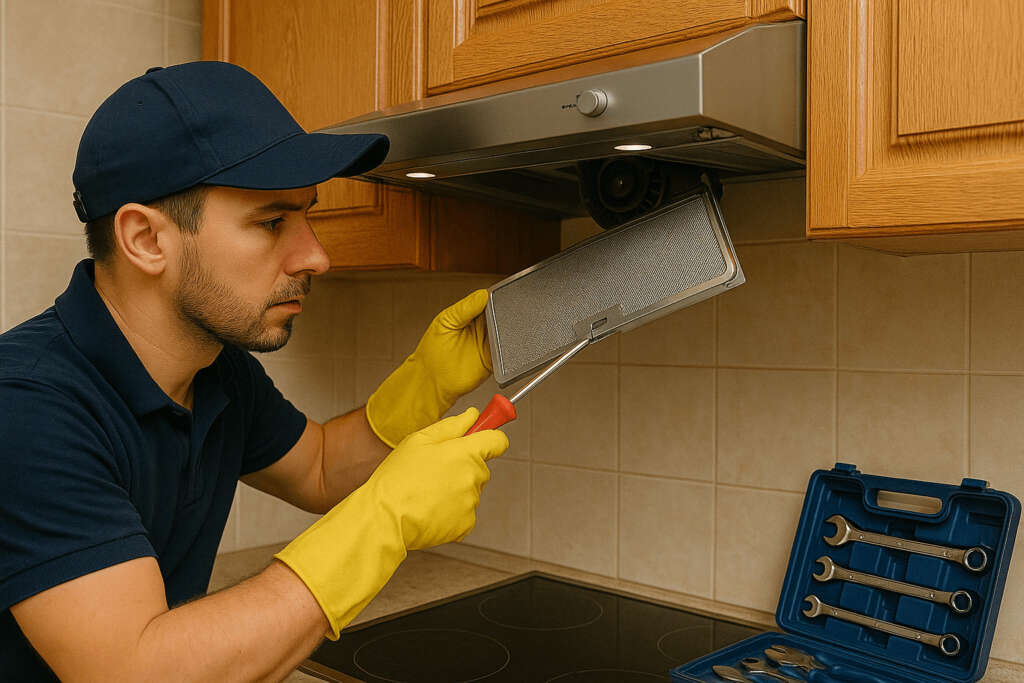
How To Choose The Right Range Hood Repair Service?
Range hoods pull grease, smoke, and steam out of your kitchen before it damages your cabinets or affects your air quality. When one stops working, finding the right person to fix it matters more than most people expect. The wrong service means overpaying, repeat failures, or a technician who can’t source parts for your model. Knowing what to look for in range hood repair saves you from all of that.
Here’s a clear breakdown of every factor worth checking before you hand anyone access to your appliance.
Check Licensing and Insurance First
This is the starting point. Before anything else, confirm the technician or company is licensed and insured.
Why Both Matter
Licensing means the technician has met the competency standards required in your state. Insurance protects you if something goes wrong during the repair, whether that’s damage to the unit, the surrounding cabinetry, or an injury on your property. These are firm requirements worth checking before anything else.
What to Confirm
- Valid appliance repair or electrical license for your state
- Liability insurance covering property damage
- Workers’ compensation so you’re not liable for on-site injuries
If a technician is reluctant to share credentials, that reluctance is the answer.
Look for Experience With Range Hoods Specifically
General appliance repair experience doesn’t cover everything a range hood involves. These units combine electrical components, ventilation systems, fan motors, control boards, and sometimes ductwork.
Why Specialization Matters
Technicians who work primarily on refrigerators or washing machines may lack the specific knowledge to diagnose a hood problem efficiently. Specialists who regularly handle kitchen ventilation equipment carry common parts, diagnose faster, and are less likely to order the wrong component.
Questions to Ask
- How often do you work on range hoods?
- Have you repaired this brand or model before?
- Do you carry common range hood parts on your vehicle?
Confirm They Handle Your Hood Type
Range hoods vary significantly between models. Under-cabinet hoods, wall-mounted chimney hoods, island hoods, and downdraft vents all have different mechanics and wiring configurations.
The Parts Problem
Some brands use proprietary parts that only authorized service centers can source. Booking a technician who discovers on arrival they don’t stock your model’s parts means delays and an extra visit.
What to Verify Before Booking
- Has worked on your specific hood type before
- Can source parts for your brand within a reasonable timeframe
- Understands both recirculating and vented ductwork systems if relevant
Compare Pricing, Response Time, and Warranty
Get at least two quotes before committing. Pricing varies widely for the same repair depending on the company.
What to Compare
- Diagnostic or service call fee charged before repair begins
- Labor rate and estimated total cost for the fault described
- Parts availability and how long sourcing will take
- Warranty coverage on both parts and labor
Why Warranty Matters
Same-day or next-day availability matters if you cook frequently. More importantly, services that offer a warranty on their work give you protection if the same fault returns within weeks of the repair.
Read Reviews With a Specific Eye
Online reviews on Google, Yelp, and Angi reveal how a company operates in practice. The overall star rating matters less than the pattern in the comments.
What to Look For in Reviews
- If the technician showed up on time and called ahead
- If the repair held after the visit
- If the final bill matched the written estimate
- How the company responded to complaints or follow-up issues
How to Interpret the Pattern
Consistent complaints about no-shows, surprise charges, or repeat failures are more telling than a handful of negative reviews among hundreds of positives. One bad review means little. The same complaint appearing repeatedly means something.
What a Good Repair Service Should Offer
Once you’ve narrowed down your options, use these standards to compare what each service is committing to.
Diagnosis Before Repair
Reputable technicians diagnose the problem before quoting repairs. Services that suggest replacing parts without testing first are guessing at your expense. What a proper diagnosis includes:
- Testing the motor and fan under load
- Checking airflow output against expected performance
- Inspecting wiring and connections for faults
- Examining the control board for failure signs
Clear Repair vs Replacement Guidance
Good technicians tell you when repair makes financial sense and when it doesn’t. If replacing the motor costs more than 70% of what a new hood would cost, replacement is usually the smarter call. That conversation should happen before parts are ordered rather than after.
Written Estimates Before Work Starts
Every repair should come with a written estimate before anyone starts work. The estimate should clearly separate:
- Diagnostic or service call fee
- Parts cost listed individually
- Labor cost
- Any additional charges
Verbal quotes are difficult to dispute. Written estimates protect both parties.
Warranty on Parts and Labor
Quality services back their work with a warranty covering both the replaced parts and the labor. Standard warranties in appliance repair run from 30 days to 12 months. Services offering no warranty on their work are worth avoiding.
When to Call Which Specialist
Choosing the right type of technician is part of choosing the right service.
Appliance Technician
For most range hood repair issues, a licensed appliance technician is the right call. Motor failures, fan problems, lighting issues, control panel faults, and filter replacement all fall within their scope.
HVAC Technician
If the hood itself works but airflow is poor due to blocked or disconnected ductwork, an HVAC technician handles the ventilation side. This is outside the scope of what most appliance technicians work on.
Electrician
When the hood loses power, trips a breaker repeatedly, or shows signs of wiring damage in the wall circuit, a licensed electrician is the right specialist, but not an appliance technician.
Red Flags to Walk Away From
These are the signs a service isn’t worth booking for range hood repair.
- No license or insurance: Essential for any home repair
- Vague pricing or no written estimate: A common source of billing disputes
- No experience with your hood type or brand: Risks wrong parts and longer delays
- Recommends replacement before completing a diagnosis: Guessing rather than testing
- Reviews showing repeat failures or ignored complaints: Pattern of poor workmanship
Takeaway
Choosing the right range hood repair service comes down to credentials, experience, transparency, and what the service commits to in writing. Run through every check before booking anyone, and you’ll avoid the most expensive and frustrating mistakes homeowners make with appliance repairs.
CLT Appliance Repair serves Charlotte and the surrounding area with certified technicians who specialize in all major range hood brands. Every visit starts with a proper diagnosis so you know exactly what’s wrong before any work begins. Repairs come with upfront pricing, no surprise charges, and a guarantee on parts and labor. Most jobs are completed in a single visit.
If your hood is losing suction, making noise, or not turning on at all, book a call at CLT Appliance Repair and get it sorted the right way.
Leave a Reply