
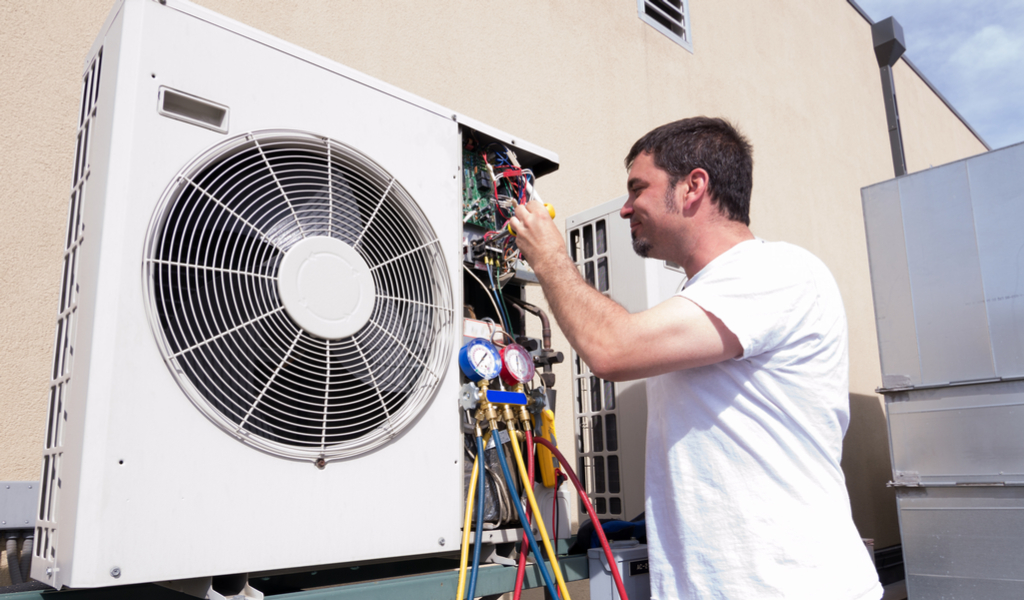
The Ultimate Guide to HVAC Solutions: From Installation to Maintenance
In today’s climate of fluctuating temperatures and evolving technology, a well-functioning HVAC system is essential for maintaining a comfortable indoor environment. This comprehensive guide explores the various aspects of HVAC solutions, focusing on installation and maintenance, with particular attention to air conditioning repair and heating. By understanding these key elements, property owners can ensure their HVAC systems operate efficiently and effectively throughout the year.
Understanding HVAC Systems
Heating, Ventilation, and Air Conditioning (HVAC) systems are designed to regulate indoor temperature and air quality. These systems consist of several components, including furnaces, air conditioners, heat pumps, and ventilation systems. Properly maintaining and installing these components is crucial for optimal performance and energy efficiency.
HVAC Installation: A Critical First Step
The installation of an HVAC system is a foundational process that requires careful planning and execution. It involves selecting the right system based on the size of the property, local climate, and specific needs. Proper installation ensures that the system operates efficiently and has a longer lifespan.
1. Selecting the Right System
Choosing the right HVAC system is essential for comfort and energy efficiency. Factors such as the size of the space, insulation quality, and local climate influence the decision. Common options include central air systems, ductless mini-splits, and heat pumps. Consulting with a professional HVAC technician can help in selecting the best system for your needs.
2. Professional Installation
Professional installation is critical for ensuring that the system operates as intended. An experienced technician will handle the installation process, including placing the components, connecting the ducts, and configuring the system settings. Proper installation minimizes the risk of future issues and ensures compliance with safety standards.
Air Conditioning Repair: Keeping Your Cool
Air conditioning repair is a vital aspect of HVAC maintenance that focuses on addressing issues with the cooling system. Regular repair and maintenance can prevent unexpected breakdowns and ensure the system runs efficiently.
1. Common Air Conditioning Issues
Air conditioners can experience various problems, including refrigerant leaks, compressor failures, and thermostat malfunctions. Identifying these issues early can prevent more severe damage and costly repairs. Common signs that your air conditioner needs repair include inconsistent cooling, unusual noises, and higher energy bills.
2. The Importance of Timely Repairs
Prompt attention to air conditioning issues can prevent more extensive damage and extend the lifespan of the unit. Regular maintenance, such as cleaning the filters and checking for leaks, can also help prevent common problems. Scheduling annual inspections with a professional technician is recommended to ensure the system remains in good working condition.
Heating: Ensuring Comfort in Cold Weather
Heating is a crucial component of HVAC systems, especially in colder climates. Proper maintenance and repair of heating systems are essential for ensuring a warm and comfortable indoor environment during winter months.
1. Types of Heating Systems
Heating systems vary widely, including furnaces, boilers, and heat pumps. Each type has its advantages and is suited to different needs. For instance, furnaces provide rapid heating and are ideal for cold climates, while heat pumps offer both heating and cooling capabilities and are energy-efficient.
2. Maintenance and Repair
Regular maintenance of heating systems includes tasks such as cleaning or replacing filters, checking for leaks, and inspecting the system for wear and tear. Timely repairs are crucial for addressing issues such as poor airflow, inconsistent heating, or unusual noises. An experienced technician can perform these tasks and ensure the system operates efficiently.
Regular Maintenance: The Key to Longevity
Regular maintenance is essential for keeping HVAC systems running smoothly. It involves routine checks, cleaning, and adjustments to ensure that all components function correctly. Regular maintenance can prevent unexpected breakdowns, improve energy efficiency, and extend the lifespan of the system.
1. Scheduling Regular Inspections
Professional inspections should be scheduled at least once a year for both heating and cooling systems. These inspections allow technicians to identify potential issues early and perform necessary repairs or adjustments. Regular inspections also help in maintaining system efficiency and performance.
2. DIY Maintenance Tips
Homeowners can also perform basic maintenance tasks to keep their HVAC systems in good condition. This includes cleaning or replacing filters, checking for visible signs of wear, and ensuring that vents and registers are unobstructed. While DIY maintenance is helpful, it should not replace professional inspections and repairs.
Conclusion
Maintaining a well-functioning HVAC system involves more than just installation. Regular maintenance, timely air conditioning repair, and proper heating care are crucial for ensuring the system operates efficiently and effectively. By understanding and implementing these practices, property owners can enjoy a comfortable indoor environment year-round while maximizing the lifespan and performance of their HVAC systems. For optimal results, consulting with experienced HVAC professionals is recommended to address specific needs and ensure the best possible care for your system.
Leave a Reply