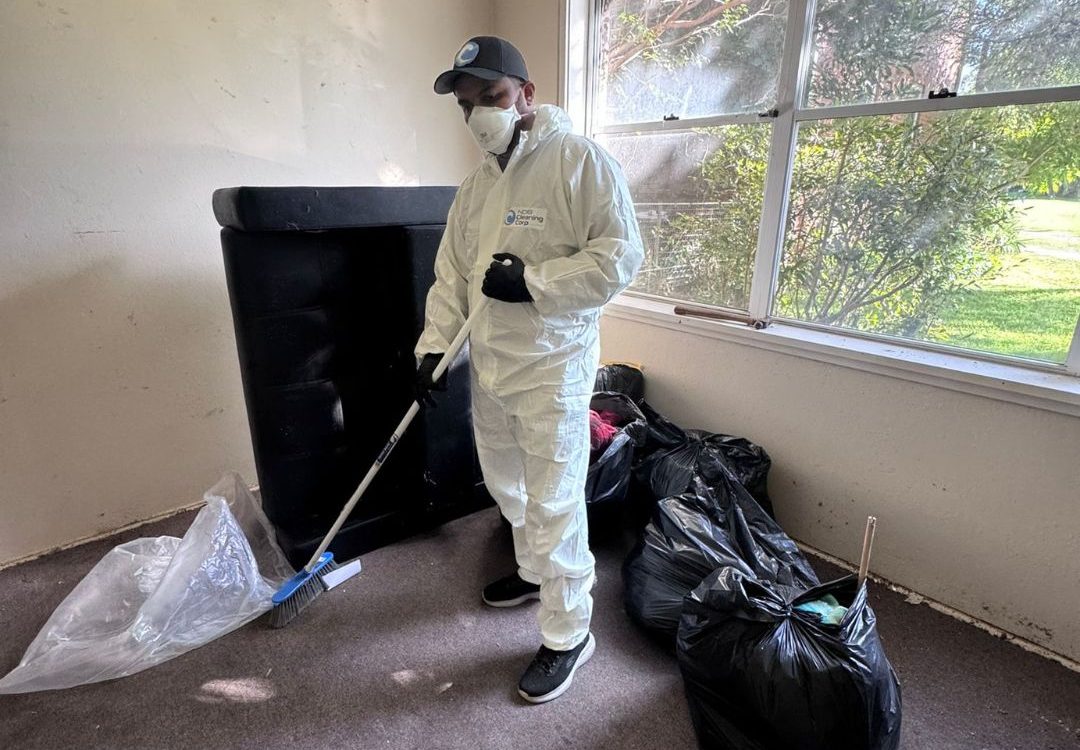
What Cleaning Services For Hoarders Actually Include and How They Help?
When a home becomes overwhelmed by years of belongings, cleaning it is rarely as simple as rolling up your sleeves. It takes training, care, and a plan. Hoarded homes often hide safety hazards, health risks, and deep emotional ties to the things inside, which makes a standard cleanup impossible and a rushed one harmful.
That is where professional help comes in. Cleaning services for hoarders handle the whole job, from sorting and hauling to deep cleaning and safety work, all while treating the person with patience and respect. The best teams work with the homeowner, never against them, at a pace that protects both the home and their trust.
What Do Hoarding Cleaning Services Include?
Professional hoarding cleanup goes far beyond a standard house cleaning. It combines careful, respectful sorting with heavy removal, deep cleaning, and specialized work that a regular cleaning crew is not equipped for.
Every home is different, though most cleaning services for hoarders follow the same core steps. Here is what those services usually include, from the first visit to the final clean.
- Initial Property Assessment
Every cleanup begins with a thorough assessment of the home. During this first visit, the team gauges the scope of the work, checks how many rooms are affected, and looks for safety concerns such as blocked exits, unstable piles, or covered outlets.
They also note any biohazards, mold, pests, or water damage, and talk with the person about what matters most to them and what they hope to keep. All of this shapes a safe, realistic plan, along with the timeline and crew size the job will need.
- Sorting and Decluttering
Sorting is the most sensitive part of the process, and the best teams do it alongside the person, never behind their back. Belongings often carry real emotional weight, which means decisions are made at a pace the person can handle.
Working together keeps trust intact and makes the results last. Most teams sort items into clear categories using a simple, steady process:
- Separate anything unsafe, spoiled, or hazardous for immediate removal
- Set aside items the person wants to keep
- Gather usable belongings to donate or give away
- Collect items that can be recycled
- Bag the remaining waste for disposal
Letting the person guide each choice is what turns a cleanup into a step forward rather than a loss.
3. Junk and Waste Removal
Once sorting is done, the team clears everything out and hauls it away responsibly. Removing large volumes safely is heavy, physical work, and professionals handle it with the right equipment and disposal methods. Commonly removed items include:
- Broken furniture and appliances
- Bags of accumulated clutter and packaging
- Expired food and spoiled goods
- Old newspapers, magazines, and paper piles
- General household waste and debris
Usable belongings are sent to donation where possible, keeping items out of a landfill and easing the load on the family.
4. Deep Cleaning and Sanitizing
Once the clutter is gone, the home gets the deep clean it has often needed for years. Every surface is cleaned, sanitized, and refreshed, room by room.
Floors and Carpets
Floors take the most buildup, which is why they get close attention. Carpets are deep cleaned or removed if they are beyond saving, while hard floors are scrubbed, disinfected, and restored as much as possible.
Walls and Surfaces
Walls, counters, and surfaces are wiped down, degreased, and sanitized. Years of dust, grime, and residue come off, and any marks or stains are treated to bring the room back to a clean, healthy state.
Kitchens and Bathrooms
Kitchens and bathrooms need the most thorough sanitizing, since bacteria and grime collect there fastest. The team disinfects every fixture and surface until the space is safe to use again. This usually covers:
- Sinks, counters, and cabinets
- Toilets, tubs, and showers
- Appliances inside and out
- Tile, grout, and drains
Getting these rooms fully sanitized is one of the biggest steps toward a livable home.
5. Odor Removal
Strong odors are common in hoarded homes, and they linger long after the clutter is gone. Clearing them takes more than air freshener, and a good team tackles the smell at its source.
Where the Odors Come From
Most lingering smells trace back to spoiled food, pet or animal waste, mold, smoke, or years of trapped dust and moisture. Finding the true source is the first step, since masking it never works for long.
How the Smell Is Removed
The team removes whatever is causing the odor, then deep cleans the affected areas from top to bottom. Professional methods like ozone treatment and air scrubbers clear the air completely, leaving the home smelling fresh rather than perfumed over.
6. Biohazard Cleanup
Some homes contain hazards that need trained, specialized handling to remove safely. When a cleanup involves biohazards, technicians use proper protective equipment and follow strict disposal rules. Situations that may call for this include:
- Human or animal waste
- Mold growth
- Rodent or insect infestations
- Contaminated food or standing water
- Sharp objects or medical waste
Handling these safely protects the health of everyone involved and often the home itself.
7. Pest and Contamination Cleanup
Heavy clutter often attracts pests, and infestations frequently come to light once items are cleared. Rodents, cockroaches, and insects leave behind droppings and contamination that must be cleaned and treated, rather than only removed.
The team clears the infestation, disinfects every affected area, and treats the space to keep pests from returning. In serious cases, they coordinate with pest control to make sure the home is fully safe and sanitary before the work is done.
How Hoarding Cleaning Services Help
Professional cleaning services for hoarders do far more than make a home look better. They restore safety, health, and a space the person can actually live in, and they lift an enormous burden off everyone involved.
The benefits reach the home, the person, and the whole family. Here is how the right help makes a real difference.
Make the Home Safer
Safety is the biggest reason to bring in professional help. Cleanup teams clear the hazards that build up quietly and put a home and its owner at real risk. Common dangers they address include:
- Blocked doorways and exits
- Fire hazards near heat sources
- Tripping and falling risks in cluttered paths
- Heavy, unstable piles that could topple
- Blocked vents and covered outlets
Removing these dangers often matters far more than how the home looks afterward.
Restore Usable Living Space
Before a cleanup, rooms are often unusable. Kitchens cannot be cooked in, beds cannot be slept in, and whole areas are closed off, leaving the person to live in a fraction of their own home.
Afterward, those rooms come back to life. The kitchen works again, the bathroom is safe, and the person can move freely through a home that finally functions the way it should. Reclaiming that space is often life-changing.
Reduce Health and Sanitation Risks
Long-term clutter creates serious health risks that go well beyond a crowded space. Professional cleaning and sanitizing remove the conditions that make a home unhealthy to live in. That includes risks like:
- Mold and poor indoor air quality
- Bacteria and germs in kitchens and bathrooms
- Dust and allergens that affect breathing
- Contamination from pests or waste
- Spoiled food and unsanitary surfaces
Clearing these gives the person a home that supports their health rather than harming it.
Handle Difficult Cleanup Work
Hoarding cleanup is demanding, physical work that most families cannot take on alone. It often means lifting heavy items, hauling countless loads, and working in unsafe or unsanitary conditions for days at a time.
Professionals bring the crew, equipment, and experience to handle it safely and efficiently. They manage the exhausting and sometimes hazardous parts of the job, sparing the family the physical strain and emotional toll of doing it themselves.
What Happens During A Hoarding Cleanup?
Professional cleanups follow a clear, step-by-step process from start to finish. Knowing the flow helps families understand what to expect once the work begins.
- Assessment and Planning: The team evaluates the home, identifies hazards, and builds a safe plan and timeline.
- Sorting and Removal: Working with the person, they sort belongings and clear out everything marked to go.
- Deep Cleaning: Every room is scrubbed, degreased, and cleaned from top to bottom.
- Sanitizing and Deodorizing: Surfaces are disinfected, and odors are treated at the source.
- Final Walkthrough: The team reviews the finished home with the family to make sure everything is safe and complete.
When Is Professional Hoarding Cleanup Needed?
Not every situation needs a professional team, though many reach a point where outside help becomes the safest choice. When clutter starts affecting health, safety, or daily life, it is usually time to call for support.
Trying to handle a severe cleanup alone can be unsafe, overwhelming, and hard on relationships. Professional help is often the right step when:
- Clutter blocks exits or makes rooms unusable
- There are biohazards, mold, pests, or waste
- The scale is too large to manage alone
- Safety or health is clearly at risk
- Preparing for a move, sale, or deadline
- The emotional strain on the family is too heavy
Bringing in help early keeps everyone safer and makes the whole process far less overwhelming.
How Long Does Hoarding Cleanup Take?
Most hoarding cleanups take anywhere from one day to two weeks, depending on the job’s size and severity. One cluttered room might be finished in a day, while a severe, whole-home cleanup can run one to two weeks or more.
The timeline depends heavily on the specific situation. Larger crews move faster, and the level of sorting, cleaning, and specialized work all affects how long the job takes.
Several factors shape the timeline:
- The size of the home and number of rooms
- The severity of the clutter
- Whether biohazards, mold, or pests are involved
- How much sorting the person needs to do
- The size of the crew assigned
- Any repairs or restoration required
Good teams give you a realistic estimate after the assessment, which means no surprises once the work begins.
FAQs
Do Hoarding Cleaners Remove Everything?
Not unless the person wants that. Good teams sort belongings alongside the homeowner and keep whatever matters to them. The goal is a safe, livable home, rather than an empty one.
Can Hoarding Cleanup Include Odor Removal?
Yes, odor removal is a standard part of most hoarding cleanups. The team removes the source, deep cleans the area, and uses professional deodorizing methods to clear lingering smells for good.
Do Hoarding Cleaners Handle Biohazards?
Yes, trained technicians safely handle biohazards like mold, waste, and infestations using proper equipment and disposal methods. This keeps everyone protected and brings the home back to a sanitary, healthy state.
How Much Does Hoarding Cleanup Cost?
Cost depends on the size of the home, the severity of the clutter, and any specialized work needed. Most cleanups fall within a wide range, and a team can give an accurate quote after assessing the home in person.
How Long Does Professional Hoarding Cleanup Take?
Most jobs take from one day to two weeks, depending on size and severity. Small spaces may be done in a day, while a severe, whole-home cleanup takes longer. The team confirms a timeline after the assessment.
Conclusion
Cleaning services for hoarders offer far more than a tidy home. They can help restore safety, improve living conditions, and create space that feels manageable again. From the initial assessment to the final cleanup, the right team handles the difficult work with patience, respect, and care for the person’s dignity.
That kind of support is especially important when clearing a home involves more than cleaning alone. LifeCycle Transitions takes a broader approach across the 28 states it serves, helping with sorting, clearing, deep cleaning, heavy lifting, donation runs, and other practical parts of the process. When clearing the home is part of a larger move or transition, having those services handled together can make an otherwise overwhelming process easier to manage.
Read More: https://interiorbulletin.com/what-you-should-know-about-dryer-repair-services/
Leave a Reply